Archive

February 2026

Browsing

Crypto isn’t just about holding coins and watching charts anymore. The market is evolving fast, and now people want one simple thing to actually use their crypto in real life.

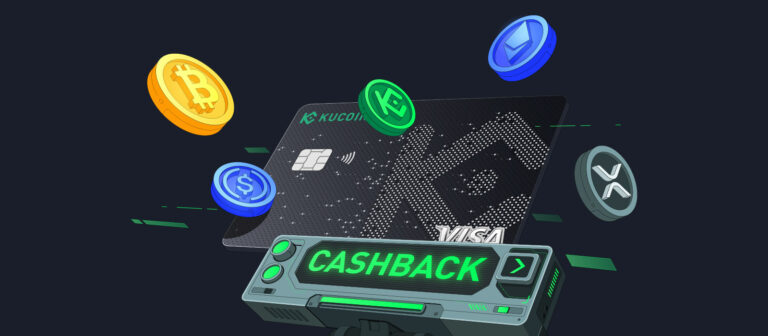
That’s where KuCoin KuCard comes in. The KuCoin KuCard is designed to make crypto spending smooth, modern, and practical. Instead of converting crypto manually, sending funds to banks, or dealing with complicated steps, KuCard lets you pay for daily purchases directly using your crypto balance. It works like a regular card but powered by your digital assets.

Whether you’re buying coffee, shopping online, paying for subscriptions, or booking travel, KuCard gives you a bridge between the crypto world and the real world.

What Is KuCoin KuCard?

KuCoin KuCard is a crypto payment card offered by KuCoin, one of the most well-known cryptocurrency platforms worldwide.

This card allows you to:

  • Spend your crypto at supported merchants
  • Convert crypto to fiat automatically during payment
  • Use it for online and offline purchases
  • Earn cashback and rewards (depending on region and promotions)
  • Manage everything inside the KuCoin app

In simple words KuCard makes your crypto spendable like cash.

Why KuCoin KuCard Is Getting So Much Attention

There are many crypto cards out there but KuCard stands out because it focuses on what users actually want:

Real-life usability

No one wants a card that works only in a few places. KuCard is built to be practical and usable for everyday spending.

Smooth integration

The KuCoin ecosystem is already strong for trading, staking, and earning. KuCard adds a new layer: spending.

Rewards potential

Many users love the idea of earning something back while spending crypto.

Clean and modern experience

KuCard is designed for people who want fast payments and simple control.

How KuCoin KuCard Works (Simple Breakdown)

Here’s what happens when you use your KuCoin KuCard:

1. You hold crypto in your KuCoin account

You keep crypto like BTC, ETH, USDT, USDC, or other supported assets in your KuCoin wallet.

2. You choose your payment method

When you pay using KuCard, it automatically uses your selected crypto balance.

3. The card converts crypto into fiat

At checkout, the crypto is converted instantly into fiat currency (the currency used in your country).

4. Payment is completed

The merchant receives payment like a normal card transaction, while you spend your crypto smoothly in the background.

This means you don’t need to manually exchange your crypto every time you want to spend.

Key Features of KuCoin KuCard

Let’s break down what makes KuCard a strong option for crypto users.

1. Spend Crypto Without the Extra Steps

The biggest benefit of KuCoin KuCard is convenience.

Normally, spending crypto can feel like this:

That process is too slow and complicated for everyday spending.

With KuCard, the process becomes:

Spend crypto with one simple swipe done.

This makes it far more realistic for daily life.

2. Cashback & Rewards Opportunities

One of the most exciting parts of the KuCoin KuCard is that it may offer cashback for purchases.

So instead of spending and losing value, you can potentially earn back a percentage of your spending.

Depending on promotions and availability, rewards can make KuCard feel like a “crypto lifestyle card” rather than just a payment tool.

3. Virtual Physical Card Options

KuCard supports flexibility.

Many users prefer:

  • Virtual cards for online shopping
  • Physical cards for stores, travel, and ATM withdrawals

This is perfect for people who want to keep things organized. Some users even prefer separate cards for:

  • Shopping
  • Subscriptions
  • Travel
  • Business payments

KuCard’s structure makes it feel like a modern fintech product.

4. Easy Management Inside the KuCoin App

The KuCoin app plays a big role in the KuCard experience.

Users can typically:

  • Track transactions in real-time
  • View spending history
  • Control card settings
  • Manage supported assets
  • Monitor conversion details

This kind of control is important because crypto payments should feel transparent, not confusing.

5. Modern Payment Experience

KuCard is designed for the current generation of payments fast, digital, and mobile-friendly.

People want:

  • Tap payments
  • Digital wallets
  • Instant transaction updates
  • Smooth online checkout

KuCard is built around this lifestyle.

Who Should Use KuCoin KuCard?

KuCoin KuCard is a great option for several types of users.

1. Crypto Holders Who Want Real Utility

If you hold crypto and want to use it beyond trading, KuCard makes your assets more practical.

Instead of waiting for the “perfect price,” you can actually use your funds when needed.

2. Frequent Online Shoppers

If you buy products online, pay for subscriptions, or use digital services, KuCard can be a smooth payment option.

3. Travelers

Travel is one of the strongest use cases for crypto cards.

Instead of exchanging currency manually or using multiple bank cards, KuCard gives you the ability to spend in different places using your crypto balance.

4. People Who Want Cashback

If rewards matter to you, KuCard’s cashback potential makes it even more attractive.

KuCoin KuCard vs Traditional Bank Cards

A traditional bank card is linked to fiat currency. You must deposit money into your bank, and that’s what you spend.

KuCoin KuCard is different because it allows you to spend from your crypto holdings.

Traditional card:

  • Uses only fiat
  • Depends on bank systems
  • Slower withdrawals and transfers
  • Limited crypto utility

KuCoin KuCard:

  • Uses crypto holdings
  • Auto converts at checkout
  • Works inside a crypto ecosystem
  • Supports a Web3 lifestyle

This difference is why crypto cards are becoming so popular — especially for people who already live in the crypto world.

Is KuCoin KuCard Safe?

Security is always a major concern with crypto.

KuCard is managed through the KuCoin platform, and users can typically access features like:

  • App-based monitoring
  • Real-time transaction tracking
  • Card control options
  • Protection layers for account safety

The goal is to make spending crypto as secure as spending fiat. Of course, users should always follow best practices like:

  • Enabling 2FA
  • Using strong passwords
  • Avoiding suspicious links
  • Keeping devices secure

KuCoin KuCard Availability (Important Note)

KuCoin KuCard availability depends on region and regulatory approval.

In many cases, KuCard is launched step-by-step, meaning some countries may have access earlier than others.

If you want the card, the best option is to check the KuCoin KuCard page directly and confirm eligibility based on your location.

Why KuCoin KuCard Matters for the Future of Crypto

The biggest challenge in crypto adoption has always been simple. How do we use crypto like money? People can trade and invest easily. But spending has always been complicated.

KuCoin KuCard helps solve that problem by turning crypto into something practical. It supports the idea that crypto isn’t only an investment it can be part of everyday life. This is important because real adoption doesn’t happen in trading charts.

It happens when people can:

  • Buy groceries
  • Pay bills
  • Book hotels
  • Shop online
  • Spend naturally

KuCard pushes crypto closer to mainstream use.

Final Thoughts: Is KuCoin KuCard Worth It?

If you’re already using KuCoin and holding crypto, then KuCoin KuCard is one of the most convenient tools you can add to your setup.

It offers:

  • Real-world spending power
  • Automatic crypto-to-fiat conversion
  • A smooth app-managed experience
  • Cashback potential
  • Virtual and physical flexibility

Most importantly, it makes crypto feel less like a digital asset locked inside an exchange and more like real money you can use anytime.


The financial system is undergoing one of the most significant transformations since the introduction of online banking. Cryptocurrency has moved beyond its early reputation as an experimental technology and is now influencing how banks operate, how payments move across borders, and how individuals interact with money.

While traditional banking institutions remain central to global finance, digital assets are reshaping expectations around speed, transparency, accessibility, and control. As a result, the future of banking will likely include both conventional financial infrastructure and blockchain-based innovation working together.

Understanding how cryptocurrency affects banking helps individuals, businesses, and policymakers prepare for a financial environment that is becoming increasingly digital and decentralized.

Understanding Cryptocurrency in the Context of Modern Finance

Cryptocurrency is a digital form of value that operates on decentralized blockchain networks rather than relying on central authorities like banks or governments. Transactions are verified by distributed systems and recorded permanently on shared digital ledgers.

Unlike traditional currency systems, cryptocurrency enables:

  • peer-to-peer transfers without intermediaries
  • programmable financial contracts
  • borderless payment functionality
  • transparent transaction histories
  • independent custody options

These features are influencing how financial institutions rethink their services and long-term strategies.

Why Traditional Banking Systems Are Evolving

Banks have historically served as intermediaries responsible for storing funds, processing payments, and issuing loans. However, digital transformation across industries has changed customer expectations.

Today’s users expect:

  • instant transactions
  • mobile-first access
  • lower service fees
  • real-time financial visibility
  • global connectivity

Cryptocurrency technology supports these expectations by offering faster infrastructure and alternative transaction models. As a result, banks are increasingly exploring ways to integrate blockchain solutions into their operations.

Blockchain Technology as the Foundation of Financial Change

At the core of cryptocurrency is blockchain technology, which allows secure, transparent, and tamper-resistant recordkeeping across distributed networks.

Blockchain introduces several advantages that directly impact banking services:

  • improved transaction verification speed
  • reduced operational costs
  • enhanced transparency
  • stronger fraud resistance
  • streamlined settlement processes

Banks are studying how blockchain infrastructure can modernize payment clearing systems and improve cross-border transfer efficiency.

Cross-Border Payments Are Becoming Faster and Cheaper

International transfers have traditionally involved multiple intermediaries, each adding processing time and fees. Cryptocurrency networks enable direct transfers between users regardless of geographic location.

Benefits of blockchain-based transfers include:

  • near real-time settlement
  • lower transaction costs
  • fewer intermediaries
  • transparent transaction tracking

These improvements are especially important for global commerce and individuals who regularly send funds internationally.

Banks are already experimenting with blockchain-powered settlement systems designed to reduce delays in international payment processing.

Financial Inclusion Is Expanding Through Digital Assets

Millions of people worldwide still lack access to traditional banking services. Cryptocurrency provides an alternative pathway to financial participation for individuals without access to conventional accounts.

Digital asset systems allow users to:

  • store value securely on mobile devices
  • send funds internationally
  • participate in digital commerce
  • access decentralized financial tools

As smartphone usage continues expanding globally, cryptocurrency may help close long-standing gaps in financial accessibility.

Banks are increasingly exploring partnerships with digital wallet providers to reach underserved populations.

Digital Identity Systems Are Strengthening Security

Identity verification plays a central role in modern banking. Blockchain-based identity solutions allow individuals to maintain secure digital credentials that can be verified quickly without repeated documentation.

Potential advantages include:

  • faster account onboarding
  • improved fraud prevention
  • stronger privacy protection
  • reduced administrative costs

These systems allow users to control how their personal information is shared while maintaining compliance with regulatory standards.

Banks are evaluating decentralized identity tools as part of long-term digital transformation strategies.

The Role of Central Bank Digital Currencies

Central bank digital currencies represent one of the most significant intersections between cryptocurrency innovation and traditional banking systems.

Unlike decentralized cryptocurrencies, these digital currencies are issued and regulated by national central banks. They aim to combine the efficiency of blockchain infrastructure with the stability of government-backed monetary systems.

Central bank digital currencies may provide:

  • faster domestic payment processing
  • improved transaction transparency
  • reduced reliance on physical cash
  • stronger monetary policy control

Many countries are researching or testing digital currency programs as part of their modernization efforts.

Smart Contracts Are Changing Financial Agreements

Smart contracts are programmable agreements that execute automatically when predefined conditions are met. These contracts operate on blockchain networks and remove the need for manual verification processes.

Applications in banking may include:

  • automated loan servicing
  • secure insurance claim processing
  • escrow transaction management
  • compliance monitoring workflows

Smart contracts reduce administrative overhead while improving transaction reliability.

Banks are studying how programmable agreements can streamline operations across multiple departments.

Custody Services Are Becoming a New Banking Opportunity

Secure asset storage has always been a core banking function. As cryptocurrency adoption grows, demand for digital asset custody services continues increasing.

Modern banks are exploring custodial services that include:

  • secure private key storage
  • institutional asset protection frameworks
  • compliance-aligned transaction monitoring
  • integration with traditional investment portfolios

Providing custody services allows banks to remain relevant as investors diversify into digital assets.

Payment Infrastructure Is Becoming More Flexible

Traditional payment networks rely on centralized clearing systems that often involve delays and service charges. Cryptocurrency infrastructure enables alternative payment pathways that improve efficiency.

Flexible payment systems supported by blockchain technology can provide:

  • real-time settlement capabilities
  • reduced processing costs
  • global transaction compatibility
  • enhanced transaction transparency

Banks that adopt flexible payment infrastructure may improve customer satisfaction while reducing operational complexity.

Transparency Is Strengthening Financial Accountability

Blockchain systems record transactions permanently on shared ledgers. This transparency reduces opportunities for manipulation and increases trust between institutions and customers.

Transparent systems allow:

  • improved audit accuracy
  • faster compliance reporting
  • reduced reconciliation delays
  • enhanced transaction traceability

Banks that incorporate transparent infrastructure may benefit from improved operational reliability and stronger customer relationships.

Risk Management Is Evolving With Digital Assets

While cryptocurrency introduces new opportunities, it also creates new challenges for banking institutions. Price volatility, regulatory uncertainty, and cybersecurity threats require careful oversight.

Banks are strengthening risk management strategies through:

  • enhanced monitoring systems
  • digital asset compliance frameworks
  • advanced cybersecurity infrastructure
  • transaction screening tools

Balanced integration strategies help institutions explore innovation without compromising stability.

Hybrid Financial Systems Are Likely to Define the Future

Rather than replacing traditional banking entirely, cryptocurrency is more likely to become part of a hybrid financial ecosystem.

In this model:

  • banks provide regulatory stability
  • blockchain networks provide efficiency
  • digital wallets support accessibility
  • smart contracts enable automation

This combination creates a flexible environment where both legacy and emerging technologies contribute to financial progress.

Consumer Expectations Are Driving Institutional Innovation

Customer behavior often determines the pace of financial change. As digital-native generations become primary banking users, expectations continue shifting toward faster and more transparent services.

Consumers increasingly expect:

  • mobile-first financial access
  • instant payment processing
  • simplified investment tools
  • global transaction capability

Banks that respond to these expectations are more likely to remain competitive in the evolving financial landscape.

Regulatory Frameworks Are Supporting Responsible Growth

Governments and financial authorities are developing policies that encourage innovation while protecting users from risk.

Regulatory strategies focus on:

  • anti-fraud protections
  • financial transparency requirements
  • identity verification standards
  • consumer protection mechanisms

Clear regulatory frameworks help integrate cryptocurrency into mainstream financial infrastructure responsibly.

The Long-Term Impact on Banking Careers and Services

As digital assets reshape financial systems, banking professionals are adapting their expertise to include blockchain literacy and digital asset management skills.

Future banking services may increasingly include:

  • cryptocurrency portfolio support
  • blockchain transaction analysis
  • decentralized finance integration tools
  • digital asset compliance oversight

Institutions investing in workforce development are better prepared for long-term transformation.

FAQ Section

Will cryptocurrency eventually replace traditional banks entirely

Cryptocurrency is more likely to complement existing banking systems rather than replace them, creating a hybrid financial environment that combines innovation with regulatory stability.

How are banks preparing employees for blockchain technology adoption

Many institutions are introducing internal training programs focused on digital asset management, cybersecurity awareness, and blockchain infrastructure understanding.

Can cryptocurrency improve loan approval processes in the future

Blockchain-based identity systems and transaction transparency may support faster verification workflows that improve lending efficiency over time.

Are businesses likely to accept cryptocurrency payments through banks

Some banks are already exploring infrastructure that allows businesses to accept digital asset payments while maintaining compliance with financial regulations.

How could cryptocurrency affect savings account structures

Future savings products may include hybrid models that combine traditional interest-bearing accounts with digital asset exposure options.

Will blockchain technology reduce banking fraud permanently

Blockchain can significantly reduce certain fraud risks through transparency and verification improvements, but institutions will still need strong cybersecurity protections.

How might cryptocurrency influence credit scoring systems

Digital transaction histories recorded on blockchain networks may eventually contribute to alternative credit evaluation methods that expand access to financial services.

Crypto trading attracts millions of new participants every year. The possibility of fast-moving markets and round-the-clock trading creates strong interest among beginners looking for financial opportunity. However, cryptocurrency trading differs significantly from traditional investing. Without preparation and discipline, new traders often make avoidable mistakes that lead to unnecessary losses.

Understanding these mistakes early can dramatically improve trading decisions. This guide explains the most common beginner errors in crypto trading and how to avoid them through structured thinking and better habits.

Entering the Market Without a Clear Strategy

One of the most frequent beginner mistakes is trading without a defined plan.

New traders often enter positions based on headlines, online discussions, or sudden price movement rather than structured analysis. Without a strategy, decisions become reactive rather than intentional.

A strong trading strategy typically includes:

  • entry conditions
  • exit targets
  • risk tolerance levels
  • portfolio allocation limits
  • time horizon expectations

Traders who define these elements before entering positions are better prepared to manage volatility.

Planning improves consistency and reduces emotional reactions during market fluctuations.

Investing More Than You Can Afford to Lose

Crypto markets can move quickly in either direction. Beginners sometimes commit funds they cannot comfortably risk, expecting rapid returns.

This approach increases pressure during normal market corrections.

Responsible trading begins with realistic capital management.

Best practices include:

  • allocating only a portion of total savings
  • separating trading funds from emergency reserves
  • avoiding borrowing money for crypto trading
  • maintaining diversification across asset classes

Risk exposure should always match personal financial stability.

Ignoring Volatility Differences Between Crypto and Traditional Markets

Cryptocurrency volatility is significantly higher than traditional stock or bond markets.

Beginners often underestimate how quickly prices can change.

Examples of common volatility surprises include:

  • sudden price corrections after rapid rallies
  • unexpected market reactions to news events
  • short-term price swings during low liquidity periods
  • overnight movement due to global trading activity

Recognizing volatility as a normal feature of crypto trading helps traders avoid panic decisions.

Understanding market behavior supports long-term discipline.

Following Social Media Signals Without Verification

Online communities provide useful discussion spaces, but they also spread misinformation.

Many beginners rely heavily on social media trading signals without independent evaluation.

This creates risks such as:

  • entering trades too late
  • reacting to hype-driven narratives
  • trusting unverified sources
  • misunderstanding project fundamentals

Successful traders combine community insights with personal research.

Independent analysis strengthens decision-making quality.

Overtrading in Search of Fast Profits

Crypto markets operate continuously without closing hours. This constant activity encourages frequent trading.

Beginners sometimes assume more trades increase profits.

In reality, excessive trading often leads to:

  • higher transaction fees
  • emotional fatigue
  • poor timing decisions
  • reduced strategy discipline

Quality trades matter more than quantity.

Developing patience improves performance consistency.

Ignoring Risk Management Techniques

Risk management plays a central role in sustainable trading success.

Many beginners focus primarily on profit potential rather than downside protection.

Effective risk management includes:

  • setting position size limits
  • defining stop loss levels
  • diversifying across assets
  • avoiding concentrated exposure
  • maintaining balanced allocation strategies

Traders who protect capital remain active longer in the market.

Survival is the foundation of long-term profitability.

Using Leverage Without Understanding Its Impact

Leverage allows traders to control larger positions using smaller capital amounts.

While leverage can increase gains, it also magnifies losses.

Beginners sometimes underestimate how quickly leveraged positions can move against them.

Risks associated with leverage include:

  • rapid liquidation events
  • amplified emotional stress
  • reduced margin flexibility
  • increased sensitivity to short-term volatility

New traders benefit from learning market behavior before using leverage tools.

Experience improves leverage management decisions.

Neglecting Secure Storage Practices

Crypto trading requires attention to asset security.

Beginners sometimes leave funds on exchanges longer than necessary.

Security risks include:

  • exchange platform vulnerabilities
  • phishing attacks
  • unauthorized access attempts
  • password reuse across platforms

Using secure wallets and enabling account protection features improves safety.

Security awareness remains essential throughout the trading journey.

Trading Without Understanding Market Cycles

Cryptocurrency markets move through identifiable phases.

Common cycle stages include:

  • accumulation periods
  • expansion phases
  • correction periods
  • consolidation phases

Beginners often enter during peak enthusiasm rather than stable accumulation phases.

Learning to recognize cycle patterns improves entry timing and reduces emotional trading decisions.

Market structure awareness strengthens strategic planning.

Ignoring Transaction Fees and Hidden Costs

Transaction costs influence overall profitability more than many beginners expect.

Common costs include:

  • exchange trading fees
  • withdrawal fees
  • network confirmation fees
  • conversion charges between currencies

Frequent trading increases cumulative expenses.

Tracking costs helps traders evaluate whether strategies remain effective after fees.

Cost awareness supports smarter decision-making.

Focusing Only on Price Instead of Project Fundamentals

Price movement attracts attention, but fundamentals determine long-term sustainability.

Beginners sometimes trade assets without understanding:

  • project purpose
  • developer activity
  • adoption progress
  • security structure
  • token supply design

Evaluating fundamentals helps traders identify stronger opportunities.

Knowledge improves trade confidence and reduces reliance on speculation.

Failing to Keep Trading Records

Professional traders track performance carefully.

Beginners often skip record keeping, which limits learning opportunities.

Useful trading records include:

  • entry price details
  • exit price results
  • strategy used
  • emotional conditions during trades
  • lessons learned from outcomes

Reviewing past decisions helps traders refine strategies over time.

Documentation supports continuous improvement.

Reacting Emotionally to Short Term Price Movement

Emotions influence trading decisions more than most beginners expect.

Common emotional responses include:

  • fear during corrections
  • excitement during rallies
  • frustration after losses
  • impatience during consolidation periods

Emotional trading often leads to inconsistent results.

Structured decision-making improves discipline and confidence.

Successful traders rely on preparation rather than impulse.

Ignoring Portfolio Diversification Principles

Diversification reduces exposure to individual asset risk.

Beginners sometimes allocate too much capital to a single cryptocurrency.

Balanced portfolios typically include:

  • multiple digital assets
  • different investment time horizons
  • exposure to traditional financial instruments when appropriate

Diversification supports stability during unpredictable market movement.

Balanced allocation improves long-term resilience.

Expecting Immediate Results From Trading Activity

Crypto trading attracts participants seeking fast returns.

However, consistent performance usually develops over time.

Beginners benefit from focusing on:

  • skill development
  • market observation
  • strategy testing
  • disciplined execution

Realistic expectations reduce frustration and improve learning progress.

Trading success depends on patience and structured experience.

Overlooking the Importance of Timing and Liquidity Conditions

Liquidity conditions influence trade execution quality.

Beginners sometimes place trades without considering:

  • market depth
  • trading volume levels
  • spread differences between buy and sell prices
  • regional activity cycles

Understanding liquidity improves order placement decisions.

Better timing reduces unexpected slippage.

Market awareness strengthens trade outcomes.

Learning From Mistakes Builds Long Term Trading Strength

Every trader makes mistakes during early market participation.

The difference between successful and unsuccessful traders often depends on how they respond to these experiences.

Strong habits include:

  • reviewing trade results regularly
  • adjusting strategies when needed
  • continuing education about market structure
  • improving security practices
  • maintaining realistic expectations

Trading skill improves through consistent learning rather than short-term success.

Preparation supports confidence in changing market conditions.

Understanding beginner mistakes helps traders build stronger foundations for long-term participation in cryptocurrency markets.

FAQ Section

How long does it usually take beginners to become consistent crypto traders

Consistency varies by individual, but many traders require months or years of practice before developing reliable strategies and disciplined execution habits.

Is day trading better than long term crypto investing for beginners

Many beginners benefit from long term investing approaches first because they involve fewer rapid decisions and lower exposure to short term volatility pressure.

Should beginners trade multiple cryptocurrencies at the same time

Managing too many assets early can increase complexity. Beginners often benefit from focusing on a small number of well understood cryptocurrencies.

How important is choosing the right exchange for beginners

Exchange selection affects security, fees, liquidity, and user experience. Reliable platforms support safer trading environments.

Can beginners succeed without technical analysis knowledge

Basic understanding of price trends and support levels helps decision making, but beginners can still start with simple strategies while learning gradually.

Do trading bots help beginners improve performance

Automated tools require careful configuration and monitoring. Beginners should understand trading fundamentals before relying on automation.

Is paper trading useful before entering real crypto markets

Simulated trading environments allow beginners to practice strategy execution without risking capital and can accelerate learning progress.

Entering the cryptocurrency market for the first time can feel overwhelming. Prices move quickly, terminology sounds unfamiliar, and the technology behind digital assets can appear complex. That is why broker platforms designed specifically for beginners play a critical role in helping new investors get started safely and confidently.

Unlike advanced trading exchanges built for professionals, beginner-focused crypto broker platforms prioritize simplicity, security, and accessibility. They provide structured onboarding, intuitive interfaces, and guided investment workflows that reduce the learning curve significantly.

This article explains how broker platforms support first-time crypto investors, what features to look for, and how to choose a reliable platform that supports long-term financial goals.

What Is a Crypto Broker Platform

A crypto broker platform acts as an intermediary between investors and the cryptocurrency market. Instead of interacting directly with complex order books, users can buy and sell digital assets through a simplified interface.

Broker platforms typically handle:

  • asset custody
  • transaction execution
  • price aggregation
  • regulatory compliance requirements
  • account security management

For beginners, this structure removes technical barriers and allows them to focus on learning investment basics instead of navigating complicated trading tools.

Why Broker Platforms Are Ideal for First-Time Investors

Crypto exchanges often assume users already understand trading terminology and blockchain operations. Broker platforms take a different approach by designing their services around accessibility.

Beginner-friendly brokers provide:

  • simplified purchase processes
  • guided account setup steps
  • educational support resources
  • clear portfolio tracking dashboards
  • built-in compliance protections

This environment helps reduce mistakes that often occur when new investors attempt to trade independently without structured support.

User-Friendly Interface Design Matters

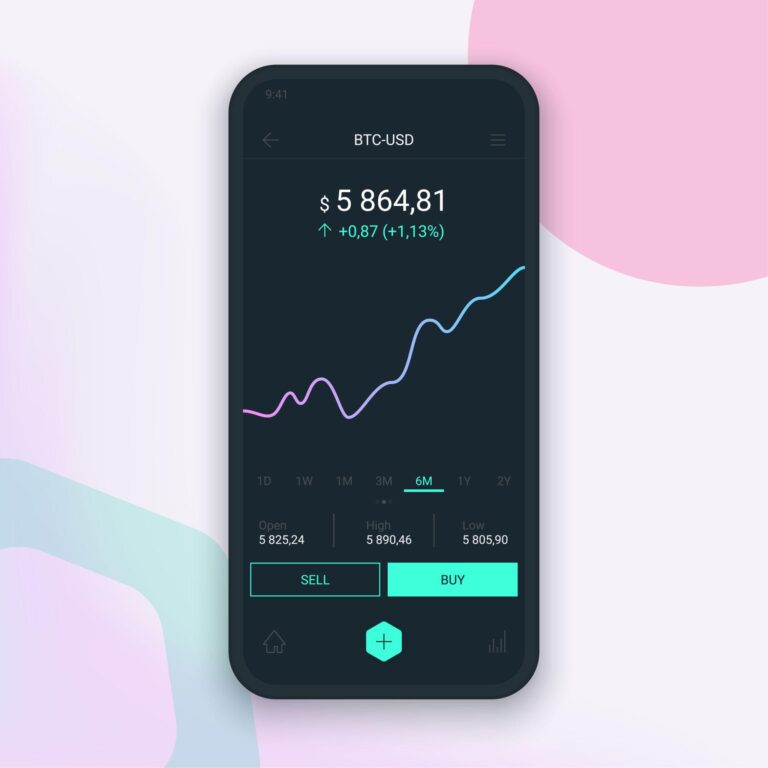
The most important feature for new crypto investors is an easy-to-understand interface. A confusing platform can increase the risk of incorrect transactions or poor investment decisions.

Strong beginner platforms typically include:

  • clear buy and sell buttons
  • real-time price visibility
  • simple asset search functions
  • easy deposit instructions
  • transparent fee displays

A clean dashboard helps users focus on understanding market behavior rather than figuring out how the platform works.

Simple Account Registration and Verification

Opening an account on a crypto broker platform usually involves identity verification steps designed to protect both investors and the financial system.

Most platforms guide users through:

  • email confirmation
  • identity document upload
  • mobile number verification
  • address validation

These procedures may seem detailed at first, but they improve account safety and reduce fraud risks across the platform.

Smooth onboarding processes are especially important for investors entering digital finance for the first time.

Built-In Security Protection for New Users

Security is one of the biggest concerns for beginners entering the cryptocurrency market. Reliable broker platforms implement strong safeguards that help protect both assets and personal data.

Common security protections include:

  • multi-factor authentication
  • encrypted login sessions
  • withdrawal approval verification
  • device activity monitoring
  • suspicious behavior alerts

Platforms that prioritize security create a safer learning environment for first-time investors who may not yet understand digital asset risks fully.

Educational Resources Support Confident Investing

Learning is essential during the early stages of cryptocurrency investing. Many broker platforms now include integrated education centers that help users understand the basics before making decisions.

Typical beginner education tools include:

  • introductory blockchain explanations
  • market terminology guides
  • asset comparison overviews
  • investment risk awareness tutorials
  • portfolio diversification strategies

Education reduces uncertainty and encourages responsible participation in digital markets.

Transparent Fee Structures Help Avoid Surprises

Hidden fees can discourage new investors and reduce confidence in broker platforms. Reliable beginner-friendly brokers clearly display their pricing structures before transactions occur.

Investors should look for transparency in:

  • purchase spreads
  • transaction commissions
  • deposit processing costs
  • withdrawal fees
  • currency conversion charges

Understanding these details helps investors plan their strategies more effectively.

Flexible Payment Methods Simplify Entry Into Crypto Markets

Convenient payment options make it easier for beginners to purchase their first digital assets.

Most broker platforms support multiple deposit methods such as:

  • bank transfers
  • debit cards
  • mobile payment solutions
  • digital wallet integrations

Accessible payment systems allow investors to start small while gaining confidence in their investment approach.

Portfolio Tracking Tools Improve Decision Making

Monitoring investments helps beginners understand how cryptocurrency markets behave over time.

Modern broker platforms include dashboards that show:

  • asset allocation percentages
  • profit and loss summaries
  • historical performance charts
  • transaction histories
  • portfolio growth trends

These insights help investors learn from their decisions and adjust strategies gradually.

Risk Management Features Protect New Investors

Cryptocurrency markets can be volatile. Beginner broker platforms often include built-in safeguards that help reduce exposure to sudden price changes.

Helpful tools include:

  • recurring purchase options
  • price alerts
  • automatic order limits
  • diversified asset suggestions
  • balance notifications

These features encourage structured investing habits instead of impulsive decision making.

Customer Support Access Builds Confidence

Reliable support services are especially valuable for first-time investors who may encounter unfamiliar situations.

Strong broker platforms provide assistance through:

  • live chat systems
  • email response teams
  • help center knowledge libraries
  • step-by-step troubleshooting guides

Responsive support helps beginners resolve concerns quickly and continue learning without unnecessary stress.

Mobile Accessibility Makes Investing More Convenient

Many first-time investors begin their cryptocurrency journey using smartphones rather than desktop platforms.

Mobile-friendly broker platforms allow users to:

  • check balances quickly
  • track market activity
  • receive security alerts
  • make small purchases
  • monitor price changes

Convenient mobile access supports consistent engagement with investment activity.

Compliance Standards Strengthen Platform Reliability

Regulatory alignment is an important trust indicator when choosing a crypto broker platform.

Compliance-focused platforms typically implement:

  • identity verification policies
  • transaction monitoring procedures
  • fraud prevention frameworks
  • customer protection safeguards

These measures help ensure that platforms operate within recognized financial standards.

Beginners benefit from using platforms that prioritize transparency and accountability.

Asset Selection Should Balance Simplicity and Diversity

First-time investors often do not need access to hundreds of cryptocurrencies immediately. Instead, a focused selection of well-established digital assets supports better learning experiences.

Beginner-friendly broker platforms usually offer:

  • major cryptocurrencies
  • stable digital assets
  • carefully screened alternative coins

This balance helps investors explore the market without becoming overwhelmed.

Automatic Investment Options Encourage Consistency

Consistency is often more important than timing when building long-term investment strategies.

Many broker platforms now provide recurring purchase tools that allow users to invest fixed amounts at scheduled intervals.

Benefits include:

  • reduced emotional decision making
  • smoother exposure to market volatility
  • structured savings habits
  • gradual portfolio growth

Automatic investing can help beginners develop disciplined financial routines.

Transparency Builds Long-Term Investor Trust

Trust is essential when selecting a broker platform. First-time investors should look for platforms that communicate openly about operations and security practices.

Transparency signals include:

  • clear service explanations
  • visible fee policies
  • security feature disclosures
  • accessible support channels
  • consistent communication updates

Platforms that prioritize openness often maintain stronger long-term user relationships.

How First-Time Investors Should Choose the Right Broker Platform

Selecting the right platform involves evaluating several key factors rather than focusing on popularity alone.

Important considerations include:

  • ease of navigation
  • available security features
  • customer support responsiveness
  • payment method availability
  • asset selection quality
  • educational resource access
  • regulatory alignment

Choosing a platform that supports learning rather than speed helps beginners build stronger investment confidence.

The Future of Beginner Crypto Broker Platforms

Crypto broker platforms continue evolving as digital assets become more widely adopted. Future improvements will likely focus on making investing even more accessible while strengthening security protections.

Expected developments include:

  • smarter portfolio automation tools
  • improved fraud detection systems
  • expanded mobile functionality
  • enhanced identity verification technology
  • personalized investment insights

These innovations will continue lowering entry barriers for new investors entering the cryptocurrency market.

FAQ Section

How much money should a first-time crypto investor start with

Beginners often start with small amounts they are comfortable learning with while gaining experience before increasing their investment size gradually.

Are crypto broker platforms safer than trading exchanges for beginners

Broker platforms are typically easier to navigate and include built-in protections that make them more suitable for investors who are new to cryptocurrency markets.

Can beginners lose money even when using trusted broker platforms

Yes. Cryptocurrency prices can fluctuate significantly, so investors should always approach the market with realistic expectations and structured strategies.

Do broker platforms store cryptocurrency on behalf of users

Most beginner broker platforms provide custodial storage services that manage digital assets securely within the platform environment.

Is it possible to transfer crypto from a broker platform to a personal wallet

Many broker platforms allow transfers to external wallets once identity verification steps are completed and withdrawal permissions are enabled.

How long does identity verification usually take on broker platforms

Verification timelines vary depending on platform policies but often range from a few minutes to several hours for most users.

Should beginners invest in multiple cryptocurrencies or start with one

Many new investors begin with one or two major digital assets before expanding their portfolios as they gain more knowledge and experience.

Pin It